

An account of a medicine I apprenticed with in the Shipibo tradition in Peru: what is in it, how a night runs, and the risks worth knowing.
The word does two jobs, which is the first thing that confuses people reading about it.
Ayahuasca is a Quechua word for a vine, Banisteriopsis caapi, and it is also the name given to the many different brews made from that vine. When somebody talks about drinking ayahuasca they mean the brew, which is the vine cooked for hours with at least one other plant. Recipes vary enormously across the Amazon, so there is no single thing called ayahuasca. What every version has in common is the vine.
The vine contains compounds that briefly switch off an enzyme in the digestive system. That enzyme would otherwise break down dimethyltryptamine, DMT, which is what the companion plant supplies. So the combination is what makes the brew orally active, and that is the chemistry in one paragraph.
It is common to read that ayahuasca is a way of getting DMT past the stomach, and the people whose medicine it is do not describe it that way at all. To them the power is in the vine. The vine on its own carries no DMT and is worked with on its own in some traditions, which is difficult to square with the tidier chemical account.
I am not going to try to settle that here. I am telling you what the tradition holds, because it is the tradition I was taught in, and because a reader deserves to know that the pharmacological summary is not the whole of what is being claimed.
Ayahuasca is taken as a sacrament in a ceremony. It is not something anybody in these traditions drinks casually or alone, and the shape of the night varies between tribes and between one curandero and the next, so no description covers all of it.
I apprenticed in the Shipibo tradition, which is at the hands off end of the range. Everybody has a mat. It happens at night, in the dark. The person leading sings, and the singing is the working part rather than the atmosphere. Nobody comes and manages your experience unless you ask for help, and the assumption underneath that is that the work is yours to do.
Most modern practitioners have taken up the hands off approach. Some lineages are more involved, and will talk during a ceremony or offer bodywork or energy work. Neither is a scandal. What matters is that somebody considering this knows which they are walking into, and it is a fair question to ask before agreeing to anything.
It is worth being honest that the traditional setting does not suit everybody. A night on the floor of a wooden hut in the jungle, with insects, in the dark, on a strong medicine, with very little guidance, is genuinely difficult, and somebody who spends that night frightened of the room is not going to get much from it. For other people the jungle is the entire point and no other setting would do.
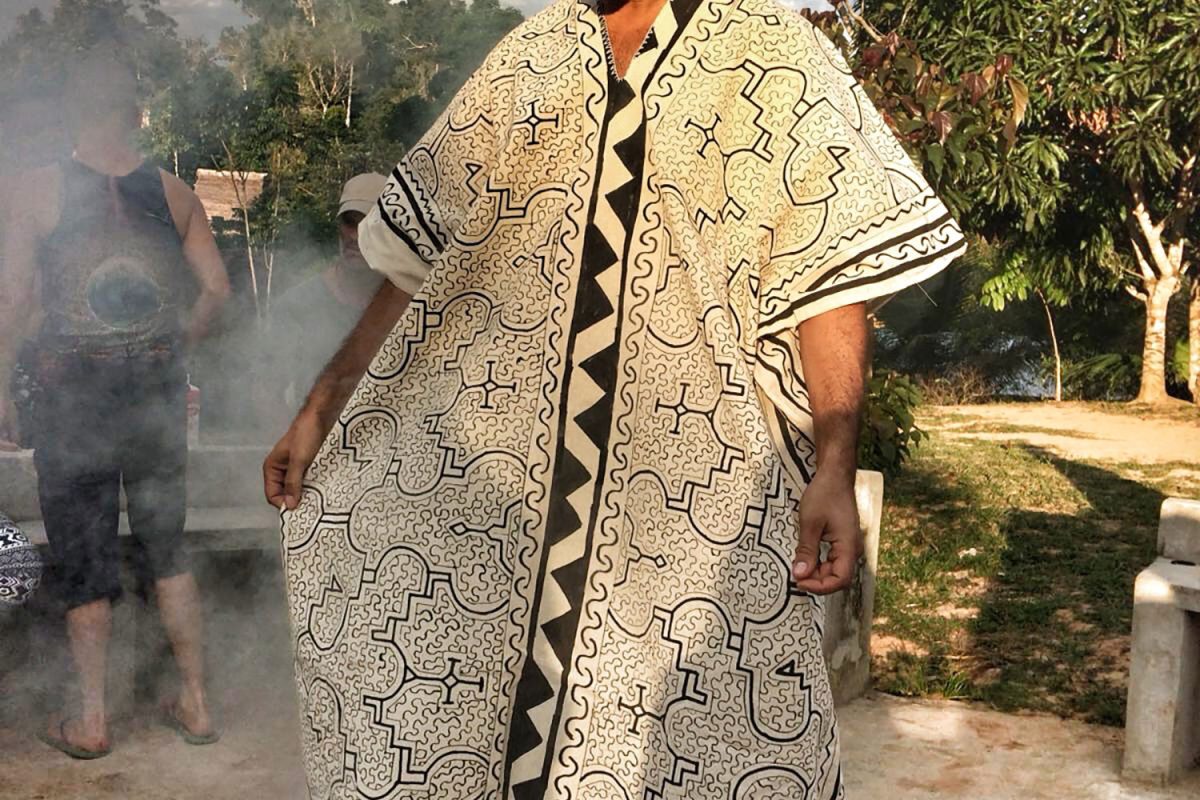
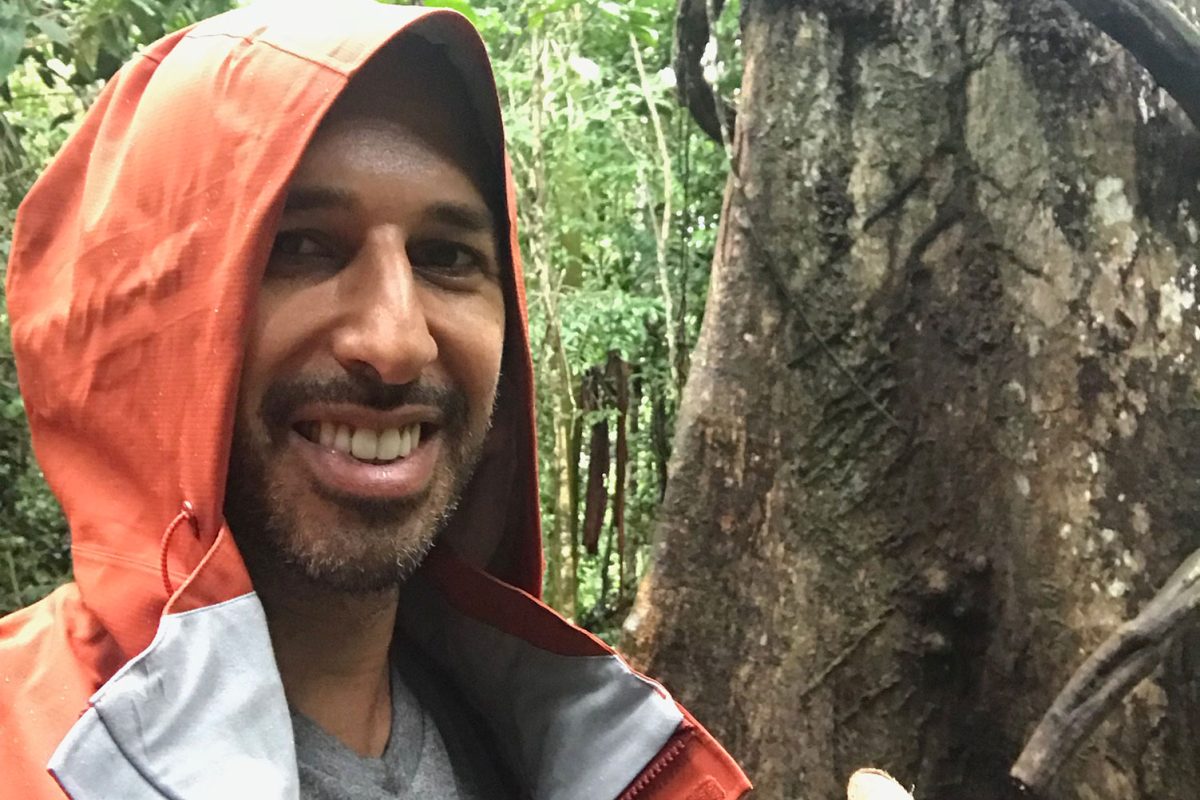
In the traditions that hold it, ayahuasca is spoken of as a teacher rather than as a drug, and it is worked with on the physical, the emotional and the spiritual at once. It is purgative, and the purge is treated as part of the medicine rather than as a side effect of it.
What people most often describe afterwards is emotional rather than physical: feeling something they had put away years earlier, and finding that it had been costing them more than they knew. Others describe a sense of connection that outlasts the night. I am reporting what people say because I have heard it said many times, including by myself.
Whatever happens in a ceremony, most of the benefit people keep comes from what they change afterwards. The traditions call the work after the night integration, and it is unglamorous and slow and it is where the results either hold or fade. Somebody who flies home and changes nothing has usually spent a great deal of money on a memory.
It is also not a cure for being a person. It is not a shortcut, it does not work for everybody, and for some people it is the wrong thing entirely.
Ayahuasca has very low toxicity, and attempts to establish a lethal dose in testing were unsuccessful. That is a real fact and it is routinely used to imply the medicine is therefore safe, which does not follow. Deaths do get reported, rarely, and where the details are known there is usually either an existing health problem or something in the brew that should not have been.
The simplest brews are the ones with the fewest plants in them, typically the vine and one companion plant. Every additional plant added to a brew is another thing that can interact badly with somebody, and additives are where a lot of the reported harm comes from. Anybody drinking this, however experienced the person serving it, is entitled to ask exactly what is in the cup and why. Somebody who will not answer that has told you something important.
This is the paragraph to take away. Ayahuasca does not combine safely with antidepressants and other medications that act on serotonin, including SSRIs and SNRIs. The combination can produce dangerously high serotonin levels. This is pharmacology rather than tradition, it is not a matter of opinion, and coming off that kind of medication is itself something that has to be done with the doctor who prescribed it and not on the advice of a website.
Advanced heart disease, uncontrolled high blood pressure and serious existing illness also make this a much riskier proposition than the marketing suggests.
This medicine shows people things about themselves. Where something painful surfaces and the person is able to stay open to it, the traditions hold that this is the point of the whole exercise. Where somebody is not ready and closes instead, they can come out with more difficulty than they went in with, and that is not a rare outcome.
For some people a slower and better supported route is the right one, and there are well established therapies for trauma that do not involve flying to the Amazon. That is not a lesser answer.
How I came to these traditions, what these pages are for, and what they deliberately are not.
The other medicine I work with, and how different a day long cactus ceremony is from a night on a mat.
Two systems describing the same map of the body, and why so many yoga practitioners end up in the Amazon.
