Ayahuasca
What the brew actually is, how a Shipibo ceremony runs, and the risks that are worth knowing before anybody talks you into anything.

I have spent years apprenticed to plant medicine traditions in Peru, and I still go back. This is an account of what those medicines are, and of what the traditions that hold them do with them.
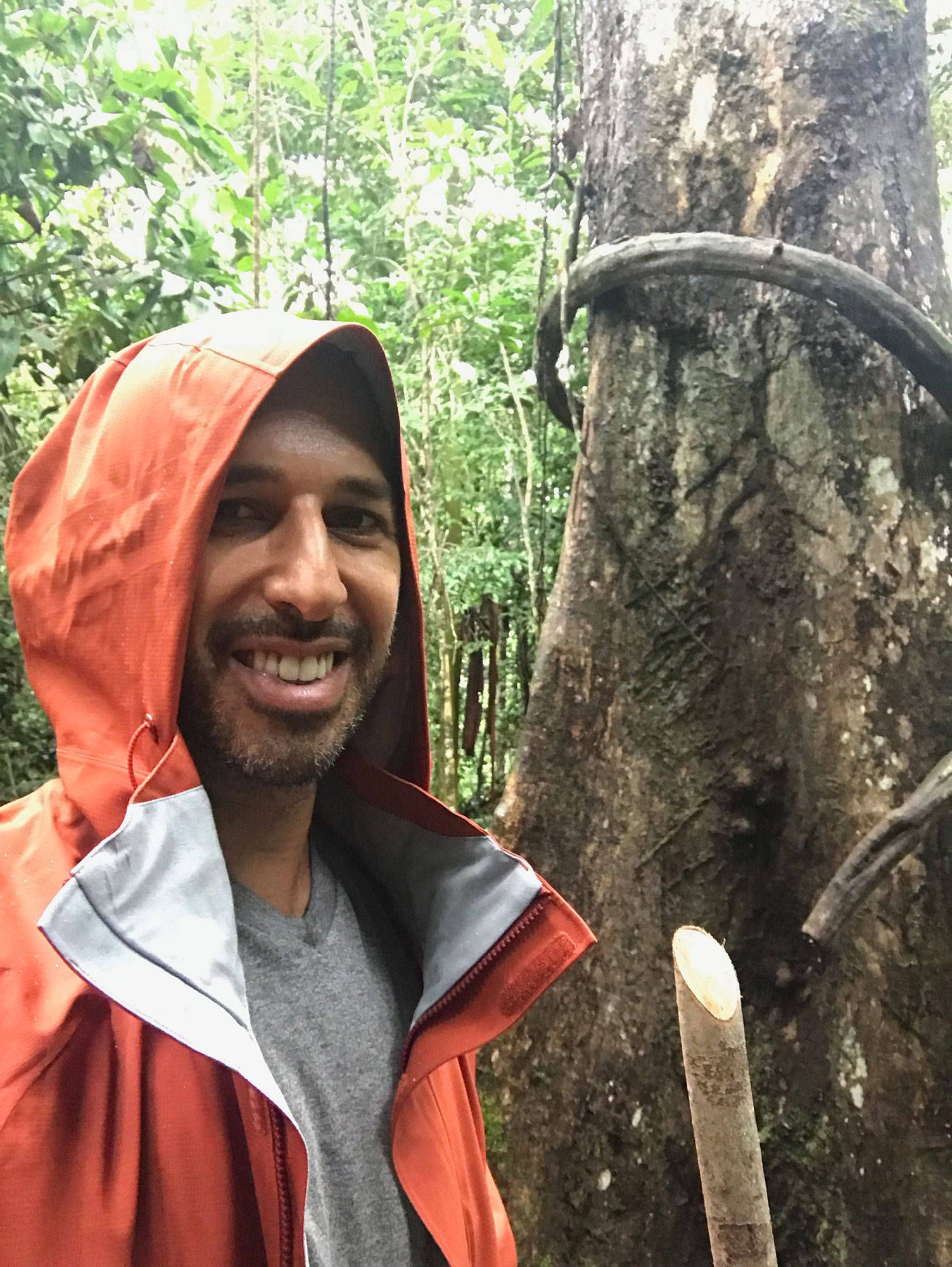
These pages are here because this is part of my life, and because people find this site looking for exactly this.
I write about two medicines in particular, ayahuasca and huachuma, because those are the two I have spent real time with. What is here is a description of what they are, an account of how the traditions I learned in work with them, and what I saw and went through myself.
All of my own work with these medicines has been in the countries whose traditions hold them, which is where it is lawful and where there is somebody to learn from.
I came to this the way I came to Thai massage, which is by going where it is actually practiced and staying long enough to be taught rather than shown. In the Amazon that meant time at a center outside Iquitos, and it meant apprenticing in the Shipibo tradition, which is one of the most hands off ways of working with ayahuasca there is.
Hands off is the part that surprises people. In a Shipibo ceremony nobody is managing your experience. You are on a mat in the dark and the person leading sings, and the singing is the work. Help comes if you ask for it. The rest of the night is yours, which is either the most useful thing about it or the hardest, depending on the night.
That apprenticeship began in 2018. At the same time I started working and learning from a teacher in the Andes, in the Red Road tradition with huachuma, and that is the teacher I have continued with since.
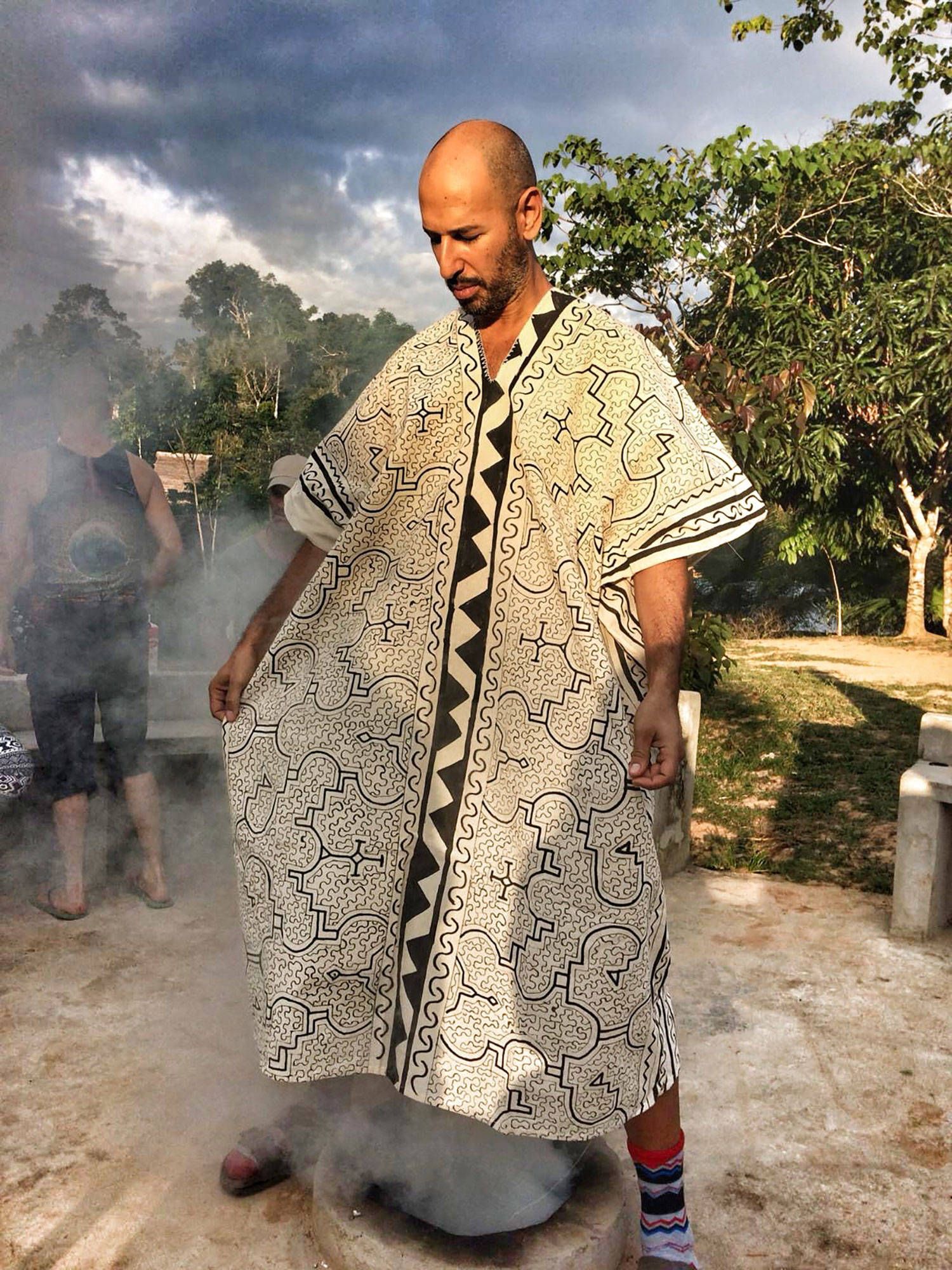
It was not a single trip that changed anything. It was returning, over years, and each time understanding a little more of what I had been sitting inside the previous time. That is the same shape my years in Chiang Mai took, and it is the reason both halves of this history sit under the same heading.
I still go back. This is current life rather than a closed chapter, which is the only reason I am comfortable writing about it at all.
The thing that carries a ceremony is sound. In the Shipibo tradition it is the icaro, sung by the person leading, and it is not accompaniment. It is the instrument. Sitting in the dark with nothing to look at, hearing someone work with voice alone for hours, is the closest thing I know to what a room does when the gongs are going.
I did not arrive at sound work from ceremony, and I would not claim the two are the same. But I stopped being surprised that they ended up in the same life.
They get spoken about together and they are not much alike.
Ayahuasca is a brew, it is worked with at night, and in the traditions I sat in it is an inward and largely solitary night even in a room full of people.
Huachuma is a cactus, it is most often worked with through a whole day outdoors, and it is sociable in a way an ayahuasca ceremony is not.
If you only ever read that one is stronger than the other, you have been reading marketing. They are different in kind, and each page here describes one of them properly.
“Every tradition I have been taught by asks the same thing first, which is that you come to be taught rather than to collect something.”
Hamid
What the brew actually is, how a Shipibo ceremony runs, and the risks that are worth knowing before anybody talks you into anything.
The cactus most people know as San Pedro, a day long medicine, and the one you may already have growing in your garden.
Two maps describing the same territory, and why so many yoga practitioners end up in the Amazon.
The other half of the history: Chiang Mai, the teacher who took my technique apart, and the years of bodywork that came before the gongs.