One to one, shaped around you
Hamid Jabbar teaches practitioners already working with sound, and people who want to start. There is no set curriculum.
Practitioners and beginners
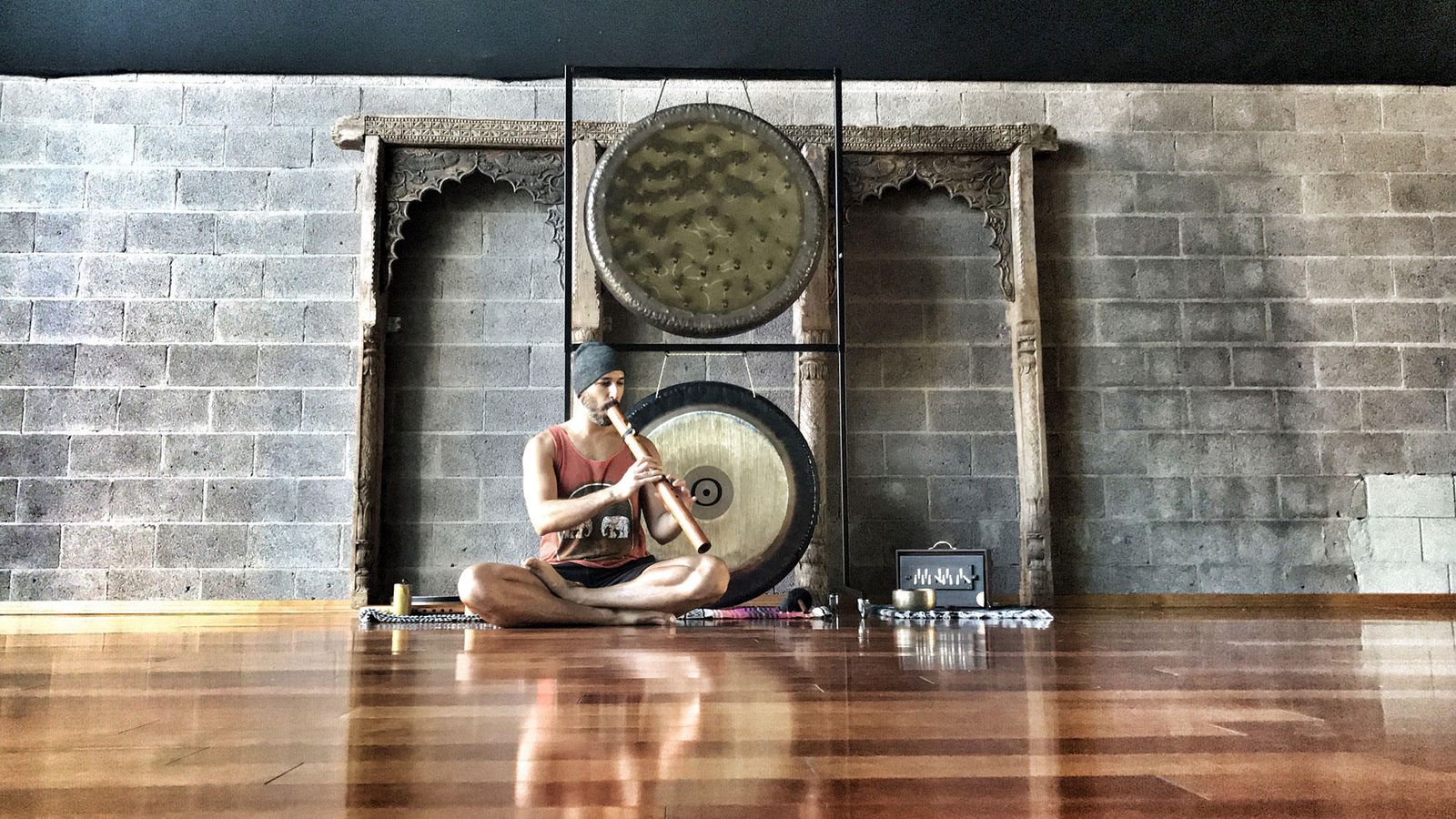
Some have taught for years. Some have never held a mallet.
Together you work on what you play, what you are stuck on, and what you want to be able to do.
Almost nobody who comes to Hamid has a musical background, and it has never been the thing that decides how well someone ends up playing. The gong in particular is for everyone. There is nothing to read and nothing to count.
The instruments are the easy part
What takes time is knowing what a room needs, and being willing to leave silence in it.
How somebody describes this work to other people is part of the same question.
The usual ground
| Gong | From the first stroke to holding a room for an hour. |
|---|---|
| Bowls | Himalayan and crystal bowls, and playing the two together. |
| Flutes | Native American style flute and overtone flute, which is a breathing practice as much as a playing one. |
| Frame drum | The shortest way in for anyone who thinks they are not musical. |
| Voice | Overtone singing, and using it with the bowls. |
| Your own session | Building a session of your own, and pacing it. |
| Choosing instruments | Before you spend money on them. |
What a session is
Hands on the whole time. You play. Hamid listens, and adjusts what you are doing as you do it.
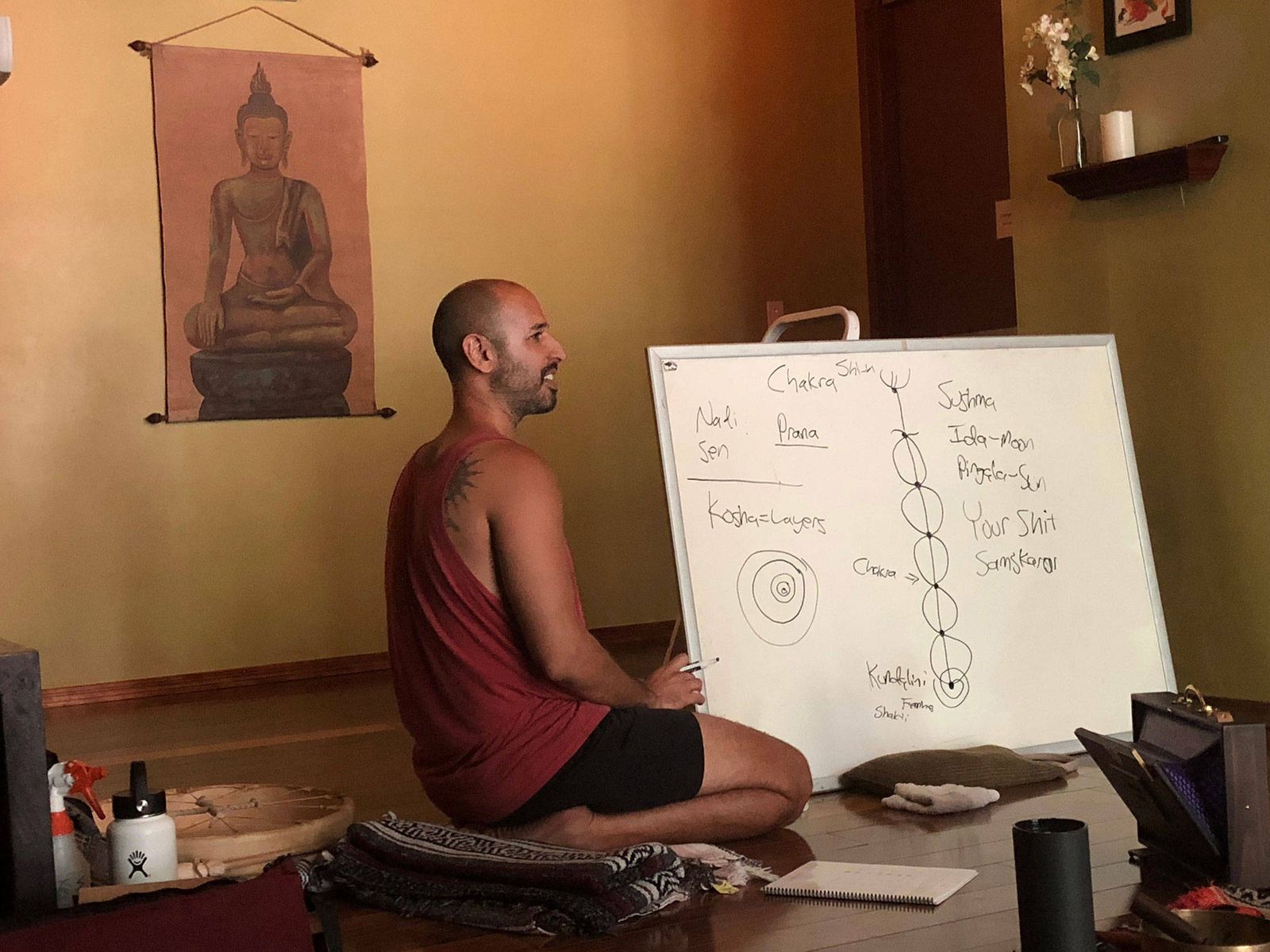
Starting where you are. The first session is mostly Hamid listening to you play. It starts with whatever you can already do. Players play for him, and anyone starting from nothing has a mallet in their hand in the first ten minutes.
Technique. After that it is technique for a while. Technique takes a few sessions.
Judgment. Then it is judgment: when to strike, when to wait, how to end. Judgment is the long part, and it is the reason to do this in a room with someone rather than from a video.
What to buy, and when
Bowls vary enormously and the difference does not show in a photograph. A lot of poor metal and poor crystal gets sold as meditation instruments to people who are new enough not to hear it yet.
So part of this is learning what to listen for before you spend anything. Instruments are on hand for sessions, which means you can play a good one for months before you own one.
When you are ready to buy, Hamid will tell you where to look. For bowls that is usually Soundtopia, and the code JABBAR15 takes fifteen percent off. He can also help you source instruments that are hard to find. If that is what you are looking for, get in touch. Most of what he actually does here is tell people what not to buy yet.
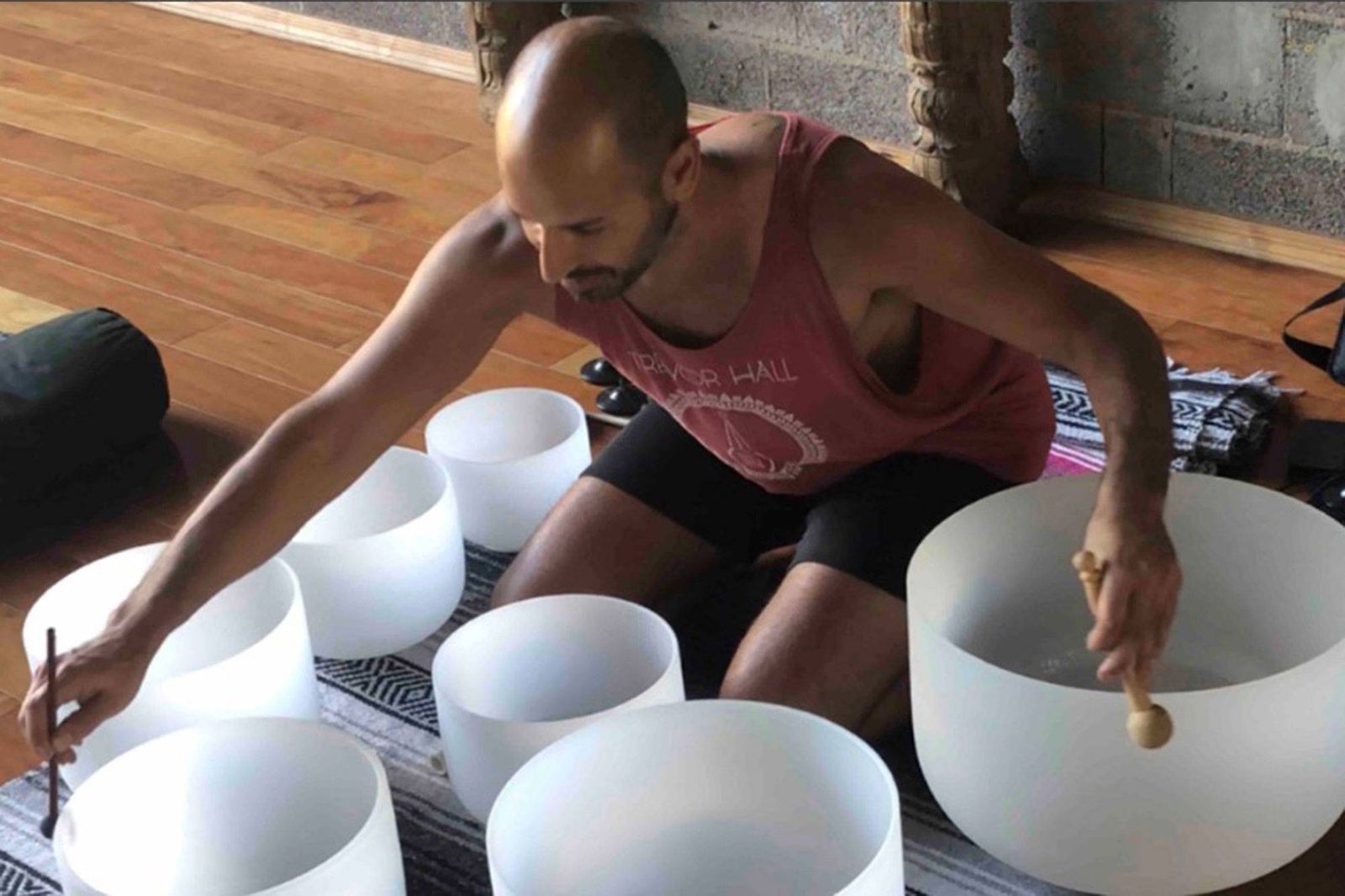
Hamid has written down most of what he would say about crystal bowls in a session.
The Soundtopia links are affiliate links, which means Hamid earns a commission if you buy through them, at no extra cost to you.
Arranged individually
| Format | One to one, in person, with no cohort. |
|---|---|
| Length | As long as it is useful. Some people come once. Some come for a year. Both are normal. |
| Where | Sessions happen in person, where the instruments live. With your own room and your own instruments, the work can happen there instead. |
| Terms | Agreed with each person, and confirmed in writing before payment. |
Tell Hamid where you are
There is no application and no intake form. Send Hamid a paragraph about where you are with sound and where you want to take it, and he will tell you honestly whether this is the right way in.
To learn in a group, Level I runs over two weekends and Level II is the advanced training.
Advanced Level II, or Sound Mentorship
Yoga Alliance continuing education hours and a certificate come with the online course and the in person trainings, for anyone who needs the documentation for a studio or venue.